The third shot drop is the shot that separates players who stay back and bang from players who get to the kitchen line and take control of the point. It is the soft, arcing ball you hit from around the baseline after the return, landing it gently into your opponents' non-volley zone so you can move up behind it. Master the third shot drop and the whole rhythm of the game opens up. Skip it and you spend your rallies stuck at the back, hitting up at players who are already parked at the net.
Here is what the third shot drop actually does, how to hit one, the mistake nearly everyone makes, and how to groove it so it holds up under pressure.
What the third shot drop actually does
In a normal rally the serving team is at a disadvantage. You serve, they return deep, and the return pushes you back behind the baseline while they stroll up to the kitchen. If you try to drive your way out of that hole, you are hitting a fast ball up into two players standing at the net, which is a gift. The third shot drop is the way out. Instead of pace, you use touch: a slow ball with a high arc that drops into the kitchen and stays low after the bounce, so your opponents cannot attack it. That buys you the two or three seconds you need to walk up and join them at the line, where points are actually won.
It is the same soft-hands skill as a dink, just hit from deeper in the court. If you are comfortable dinking at the kitchen, you already have the feel. You are stretching it back to the baseline.
How to hit a third shot drop
- Get low and set early. Bend at the knees, not the waist, and get your paddle back before the ball arrives. The drop is a controlled, unhurried swing, so rushing it is the fastest way to dump it in the net.
- Contact out in front, below the ball. Meet it in front of your body with an open paddle face and a slightly upward path. You are lifting the ball, not hitting through it.
- Swing from the shoulder, soft grip. Keep your wrist quiet and let a gentle, low-to-high shoulder swing do the work. A loose grip (think three or four out of ten) takes pace off the ball on its own.
- Aim for height and the bounce, not the line. Pick a target that clears the net by a metre or so and drops onto the kitchen line. A drop that peaks high and falls short is unattackable. A flat one that skims the net is a coin flip.
- Follow the shot in. The whole point is to move up. As soon as the ball leaves your paddle, take your split step forward and keep advancing to the kitchen behind it.
The mistake almost everyone makes
People hit the third shot drop too hard and too flat. It feels safer to give the ball some pace, but a low, fast ball into two players at the net is exactly what they want. The drop is meant to be a lob's soft cousin: high enough that it lands soft, slow enough that it dies in the kitchen. If you are missing, you are almost always missing long and hard, not short and soft. Take pace off, add arc, and let the ball do the falling.
The second most common miss is trying to be perfect. You do not need to paint the kitchen line every time. A drop that lands mid-kitchen and stays low still does the job of getting you to the net. Aim for repeatable, not heroic.
Drilling the drop: on your own and with a partner
The third shot drop is a feel shot, and feel only comes from reps. With a partner, stand at the baseline while they feed from the kitchen, and hit ten drops in a row aiming for soft landings, then swap. On your own, a wall or a ball machine works: focus on the same low-to-high lift and a soft, quiet grip. Our guide to practising pickleball without a partner has more solo drills you can run through in a driveway.
Groove your serve alongside it. A deep, consistent serve sets up the whole third-shot pattern, and the two shots are the backbone of a solid game. New to all of this? Start with our beginners guide to pickleball in Australia, and if you are still fuzzy on the non-volley-zone, our pickleball rules guide covers where you can and cannot hit from (or check the USA Pickleball rulebook).
The gear that helps a soft third shot
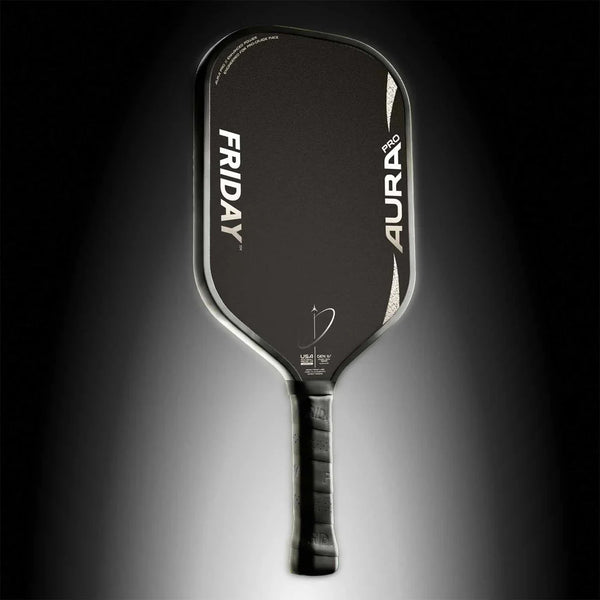
You can hit a drop with any paddle, but a control-oriented, foam-core paddle makes soft shots more forgiving and more predictable. A plush core takes the sting out of the ball so it comes off the face slower and softer, which is exactly what you want on a drop or a dink.
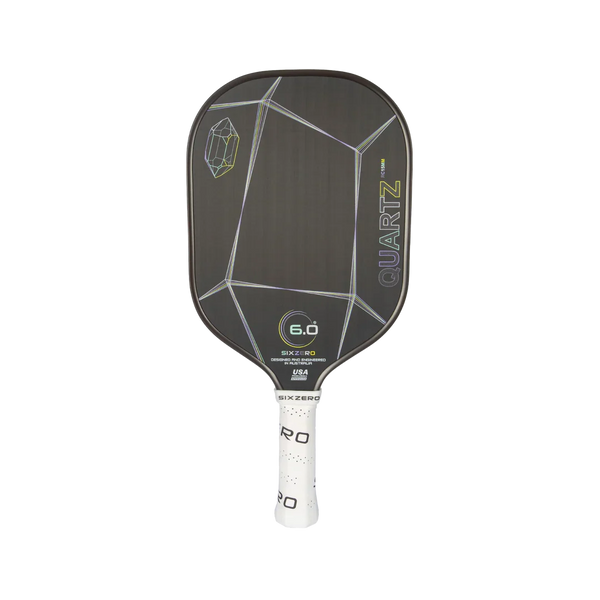
The Six Zero Coral 16mm ($275) is our go-to here. Its Tectonic Core Suspension lets the core float inside the frame, giving that plush, connected feel on soft shots from the kitchen to the baseline, and the swing weight of 114 keeps it stable without feeling heavy on the reset. If you want the same soft-game feel for less, the Enhance Turbo EPP 16mm ($180) wraps a raw T700 carbon face around a floating EPP foam core, so resets and dinks land soft and predictable, and it is Australian-stocked. Browse the full range of control pickleball paddles if you want to compare.
One more thing that quietly matters: fresh balls. A cracked or worn ball flies unpredictably and wrecks your feel for the drop. A 12-pack of Franklin X-40 outdoor pickleballs ($47.95) keeps your practice honest. Free Australian shipping over $150.
Pickld carries the brands featured. Picks are based on customer order data and product specs, not affiliate incentives.
Third shot drop or third shot drive?
Not every third shot has to be a drop. If the return lands short and sits up, drive it: a hard, low third shot can force a weak pop-up you can put away. But when the return pushes you back behind the baseline (which is most of the time), the drop is the higher-percentage play. The strongest players read the return and choose, but if you are building the shot for the first time, learn the drop first. It is the one that gets you to the kitchen, and the kitchen is where the game is won.
Got a paddle question or want a hand picking something with a softer feel? Just hit reply on any of our emails, or reach us at support@pickld.com.au. Ben + Chris read them.