If you've watched a few rallies, had a mate badger you to come down to the courts, or just keep hearing the word everywhere, this is the honest beginner's rundown. Pickleball for beginners in Australia isn't complicated, isn't expensive to try, and isn't something you need to be fit or sporty to start. You can be hitting decent rallies in your first hour. This page walks you through what the sport actually is, how easy it is to pick up, the small bit of gear you genuinely need, and where to play, without anyone trying to sell you a $400 paddle you don't need yet.
What pickleball actually is
Picture a smaller tennis court, a lower net, a solid paddle a bit bigger than a table-tennis bat, and a light plastic ball with holes in it. That's pickleball. It's played as singles or, far more commonly, doubles, on a court about a third the size of a tennis court. The smaller court and lighter ball mean less running, less power, and a lot more rallies that go back and forth, which is exactly why people get hooked on game one.
The basics you'll pick up on the day: serves go underhand from below the waist, games are first to 11 (win by 2), and there's a no-volley zone near the net everyone calls "the kitchen." You don't need to memorise any of that before you turn up. A friendly group will have you sorted in ten minutes.
Why pickleball is exploding in Australia
It isn't hype: the numbers are real. Pickleball Australia now counts close to 27,000 members across more than 400 clubs, and it's routinely called the country's fastest-growing sport. Public tennis courts are getting pickleball lines painted on, community centres are running social sessions, and 2026 even has marquee events like the AO Pickleball Slam at Melbourne Park.
The reason it's spreading so fast is the same reason it's a great place to start as a beginner: it's genuinely social, it's low-impact on the knees and shoulders, and people of wildly different ages and fitness levels can play the same game and have a good time. It's the rare sport where a 25-year-old and a 65-year-old can have a proper battle.
Is pickleball easy to learn?
Short answer: yes, easier than almost any other racquet sport. The paddle is short and light so there's no long swing to master, the ball moves slowly enough that you've got time to react, and the small court means you're rarely out of position. Most people can keep a rally going within their first session and play a real game by the end of it.
What takes longer is the strategy: the soft dinks at the kitchen line, the third-shot drop, knowing when to speed a ball up. But none of that matters on day one. You'll have fun being a beginner, which is not something you can say about every sport.
What you actually need to start pickleball
Here's the honest version of the gear question. To start, you need three things: a paddle, some balls, and access to a net. That's it. You don't need special clothing, you don't need pickleball-specific shoes to begin with (any flat-soled court or trainer is fine), and you absolutely don't need a premium paddle yet. Let's take them one at a time.
1. A beginner-friendly paddle
This is the one bit worth not cheaping out on, but "not cheap" doesn't mean expensive. Skip the $15 supermarket sets: the ultra-cheap paddles have dead spots and odd weight that actually make learning harder, because the ball flies off in directions you didn't intend and you never learn what a clean hit feels like.
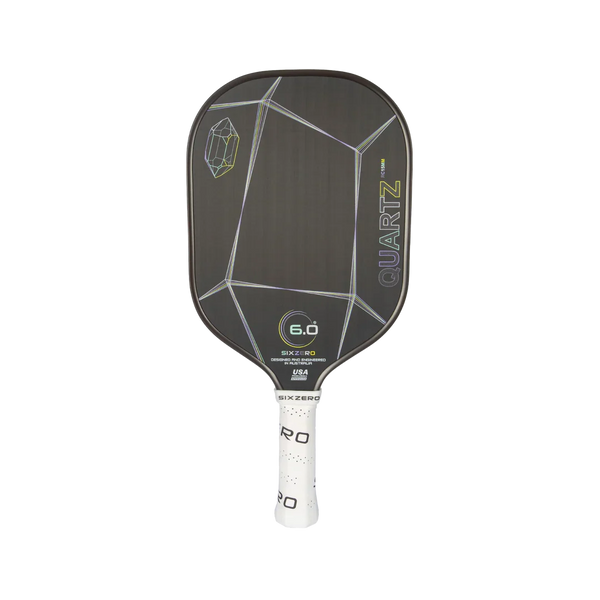
A proper entry-level paddle sits around the A$80-150 mark and lasts you well past the beginner stage. Our go-to recommendation is the Six Zero Quartz paddle at around A$99. It's a real carbon-faced paddle with a forgiving sweet spot, not a toy, and it's the one we hand to first-timers without hesitating. If you want a second option in the same bracket, the Six Zero Sapphire is cut from the same cloth. You can see the rest of the entry-level range in our beginner paddles collection.
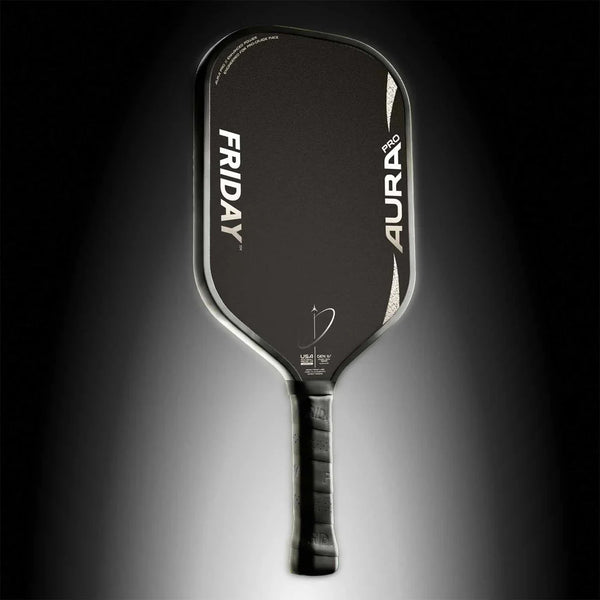
What you DON'T need yet: a $300+ spin or power paddle, lead tape, multiple paddles, a paddle bag, or anything described as "pro-tier." All of that is real and useful, later, once you know how you like to play. Buying it on day one just means spending more to learn the same lessons.
2. A set of balls
Pickleballs are cheap and they're the thing you'll lose and crack first, so grab a few. The main thing to know is indoor balls and outdoor balls are slightly different: outdoor balls are a touch heavier with smaller holes to handle the breeze. If you're playing outside (most beginners are), the Franklin X-40 outdoor pickleballs are the tournament-standard ball most Aussie clubs use, so you'll be learning on the real thing. Browse the full range in balls.
3. A portable net (so you can actually play anywhere)
If you've got a local club or lined court, you may not need your own net at all. But the thing that turns "I'll try it sometime" into "we played in the driveway three times this week" is having a portable net you can set up in a park, a driveway, or any flat bit of bitumen.
Our pick is the Selkirk SLK Prime Portable Pickleball Net. It sets up in a few minutes, packs into a carry bag, has a sturdy steel frame, and comes in at regulation size (22 feet wide) so the game you practise at home is the game you'll play at the club. It's the difference between depending on a court being free and just… playing whenever you feel like it. There's a more compact option in the JOOLA Elemental Net too. Both live in our pickleball nets collection.
How much does it cost to start?
Less than most people expect. Here's a realistic Australian starting budget:
- Paddle: ~A$99 for a quality beginner paddle like the Six Zero Quartz (one each if you're buying for two)
- Balls: a few dollars each. A small pack will see you through plenty of sessions
- Portable net (optional): only if you want to play away from a club court
So you can be genuinely set up (paddle, balls, and a net to play at home) without spending big, and if you've got a local court you can start for the price of a single paddle and a couple of balls. Compare that to most sports and it's an easy yes.
Where to play in Australia
You've got more options than you'd think:
- Local clubs: most run beginner-friendly social sessions and casual nights, and they'll usually lend you a paddle for your first go. Pickleball Australia keeps a growing directory of clubs and venues.
- Public courts: loads of council tennis and netball courts now have pickleball lines painted on. A portable net is all you need to turn one into a pickleball court.
- Home: driveway, garage, backyard, or a quiet bit of car park. This is where a portable net earns its keep, and it's how a lot of families get properly hooked.
The best first step is honestly just to turn up to a club social session. You'll borrow gear, learn the rules in real time, and figure out whether you love it before you've spent a cent, which is the right order to do it in.
Ready when you are
That's the whole barrier to entry: a paddle, a few balls, somewhere with a net, and a willingness to be a beginner for an hour. Pickleball is built to be welcoming, and getting started in Australia has never been easier.
When you're ready to sort out your first kit, we've made it simple: have a look through the beginner paddles and we'll get it to your door from our Sydney warehouse, usually in a day or three rather than the weeks an overseas order takes. Not sure what to pick? That's exactly the kind of thing Ben or Chris will happily talk through. We play this game too. And if you want to see how we think about gear once you've caught the bug, our guide to the best pickleball paddles in Australia for 2026 is a good next read, or read why we started Pickld if you'd rather know who you're buying from first.
See you on the court.
Ben + Chris